⟵ Back to Events Schedule
July 29-30 & Aug 2 Kawasan Cikini

Klinik Tubuh Kartografi Cikini Kramat
Laboratorium Tubuh — Tony Broer & Wail Irsyad (Bandung)

Performative Intervention Method on the Colonial Cartography of Cikini–Kramat

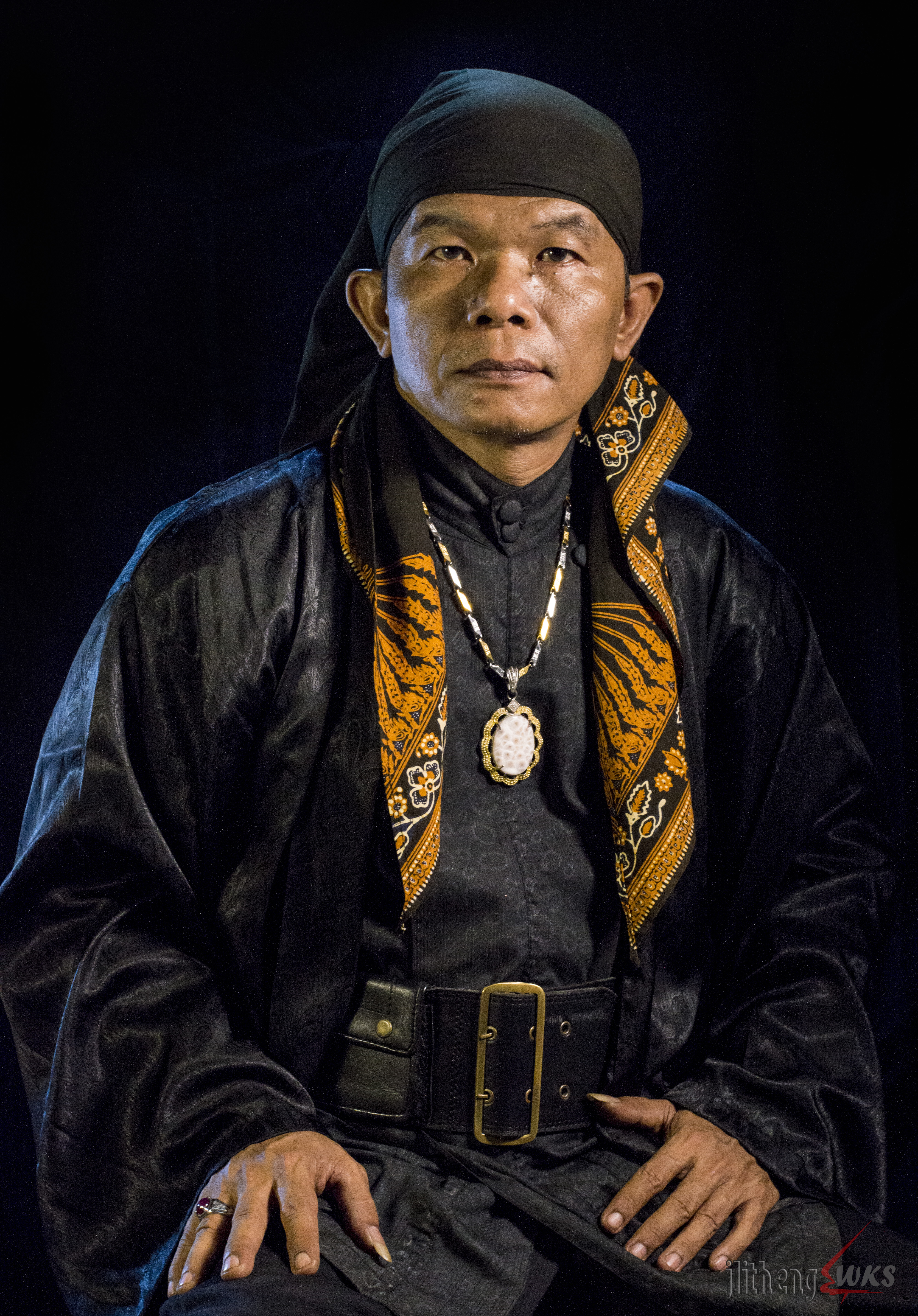
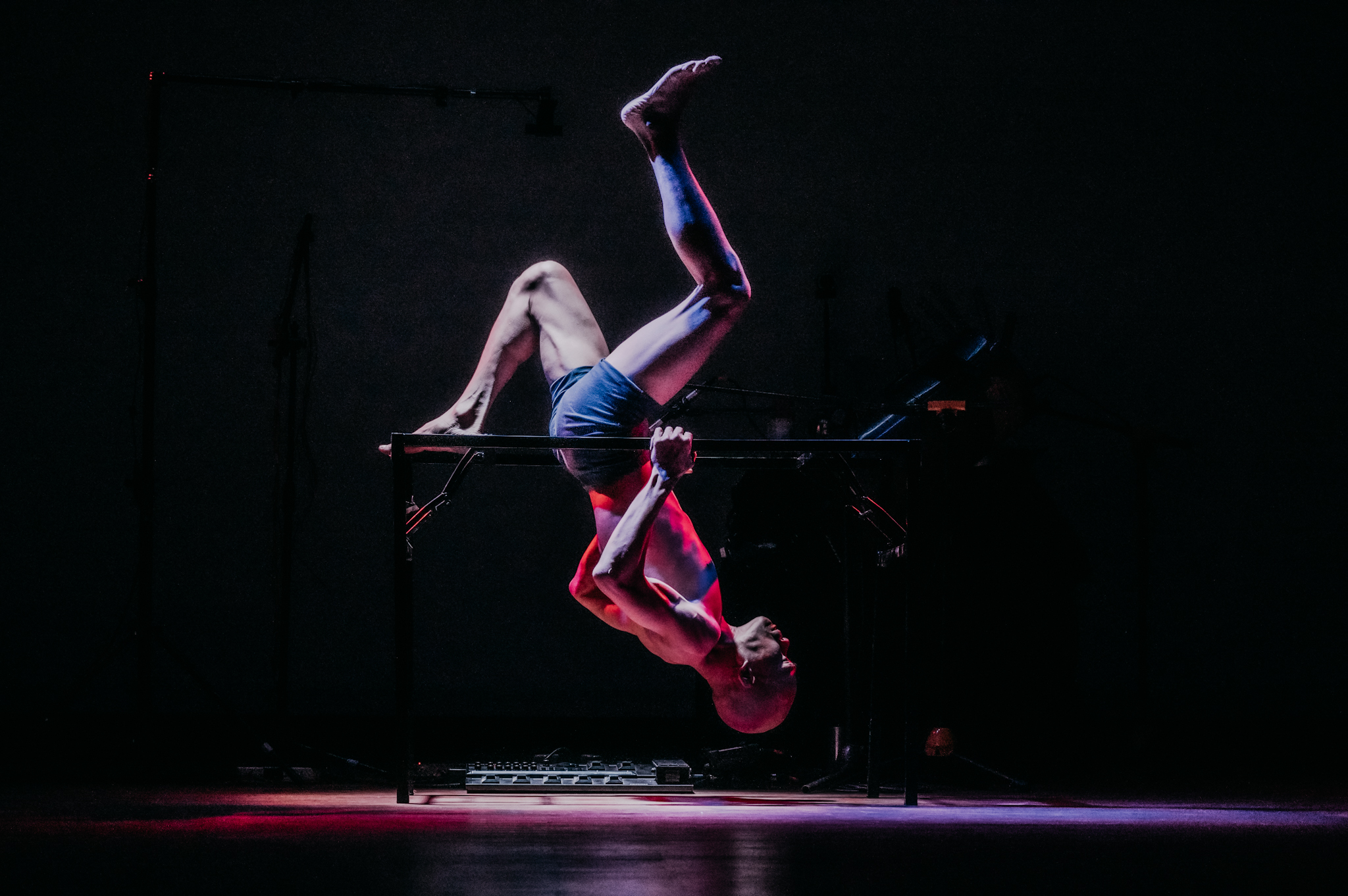
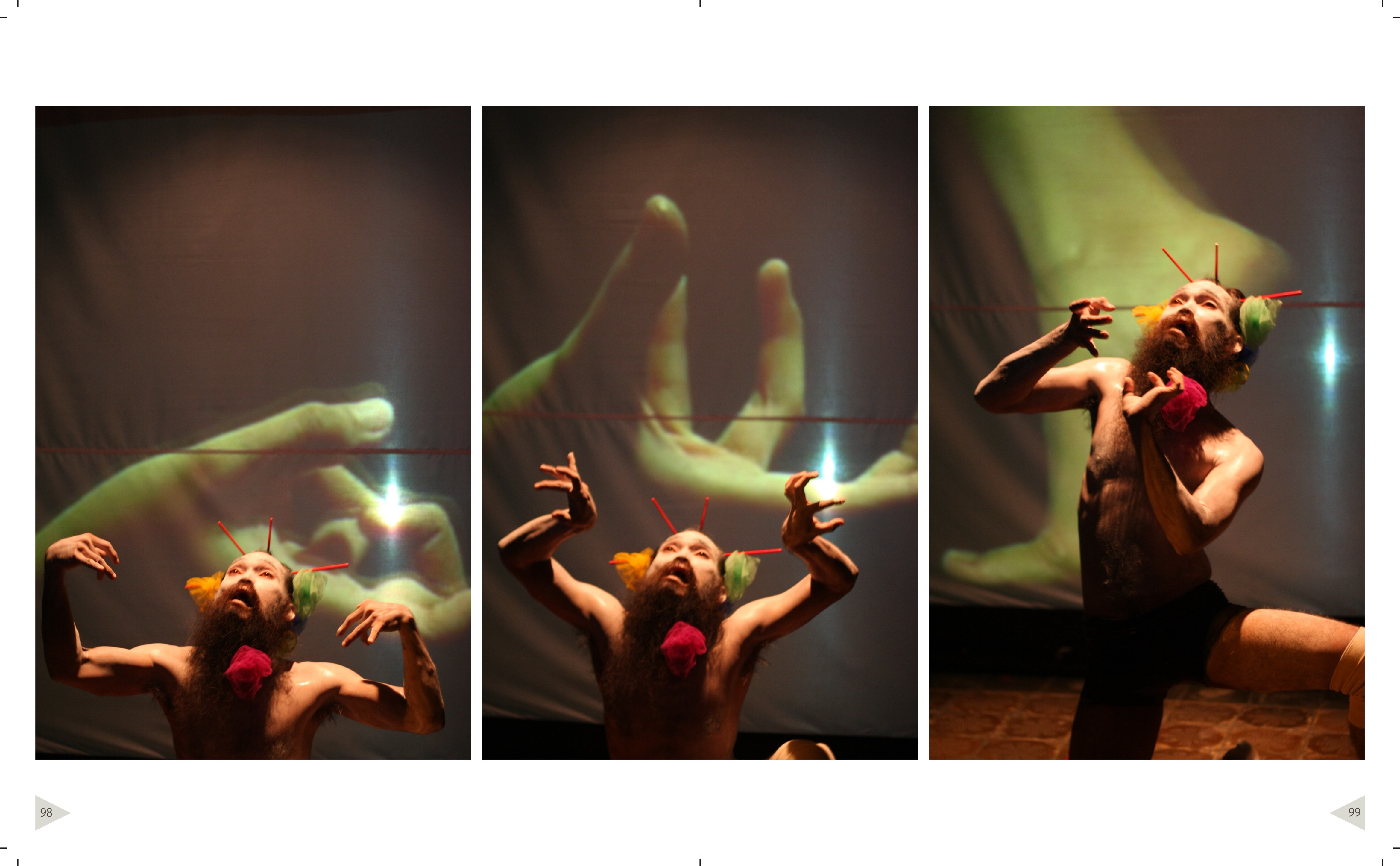
Tubuh Jalanan (The Street Body) is a body theatre methodology that treats public space as a site for training, artistic creation, and the embodied reading of history. Drawing upon the historical development of the Cikini–Kramat district, the project approaches the city not as a backdrop for performance, but as a historical body that continues to bear the layered traces of colonialism—from elite residential developments in the Dutch East Indies and urban infrastructure to the contemporary transformation of public space.

The intervention unfolds along a route mapped through the colonial cartography of Cikini toward Kramat Dormitory (Asrama Kramat). Each site is approached as a node of memory, connecting the history of urban development, patterns of mobility, and the power relations that have shaped Jakarta's urban landscape. Rather than representing historical events, the performers' bodies activate the relationships between body, space, and memory through performative actions unfolding in the present moment.

This practice develops what may be described as Stone Calisthenics (Kalistenik Batu), a training method devised by Tony Broer that combines physical discipline with an embodied reading of historical space. Each movement is not intended to achieve athletic excellence, but to cultivate a bodily awareness of material resistance, changing topography, the rhythms of the city, and the social atmosphere embedded within each site. Tubuh Jalanan thus proposes a body theatre methodology that integrates walking with stone as a performative material, reactivating the relationships between body, history, and urban space.

Rather than interpreting colonial cartography through documentary narratives, the project offers an embodied mode of historical inquiry in which history is experienced as an active force that continues to shape bodies in the present. The intervention does not permanently alter the sites themselves; instead, it transforms the way bodies perceive, inhabit, and make meaning of urban space. In doing so, the city becomes simultaneously a training ground, an artistic medium, and a living archive that is continually produced through performative action.

Artist / Group Biography

Laboratorium Tubuh (Wail Irsyad and Tony Broer) are theater artists from Bandung, sharing a focus on the body as the foundation of actor training. Irsyad works on body performance and practice-based research, while Broer has built an international career exploring the body through acting, directing, and studies in Japanese Noh and Butoh.
July 29-30 & July 31 Kawasan Cikini / Teater Tuti

Cici Celine

Rifa Annida & Patrick Hartono

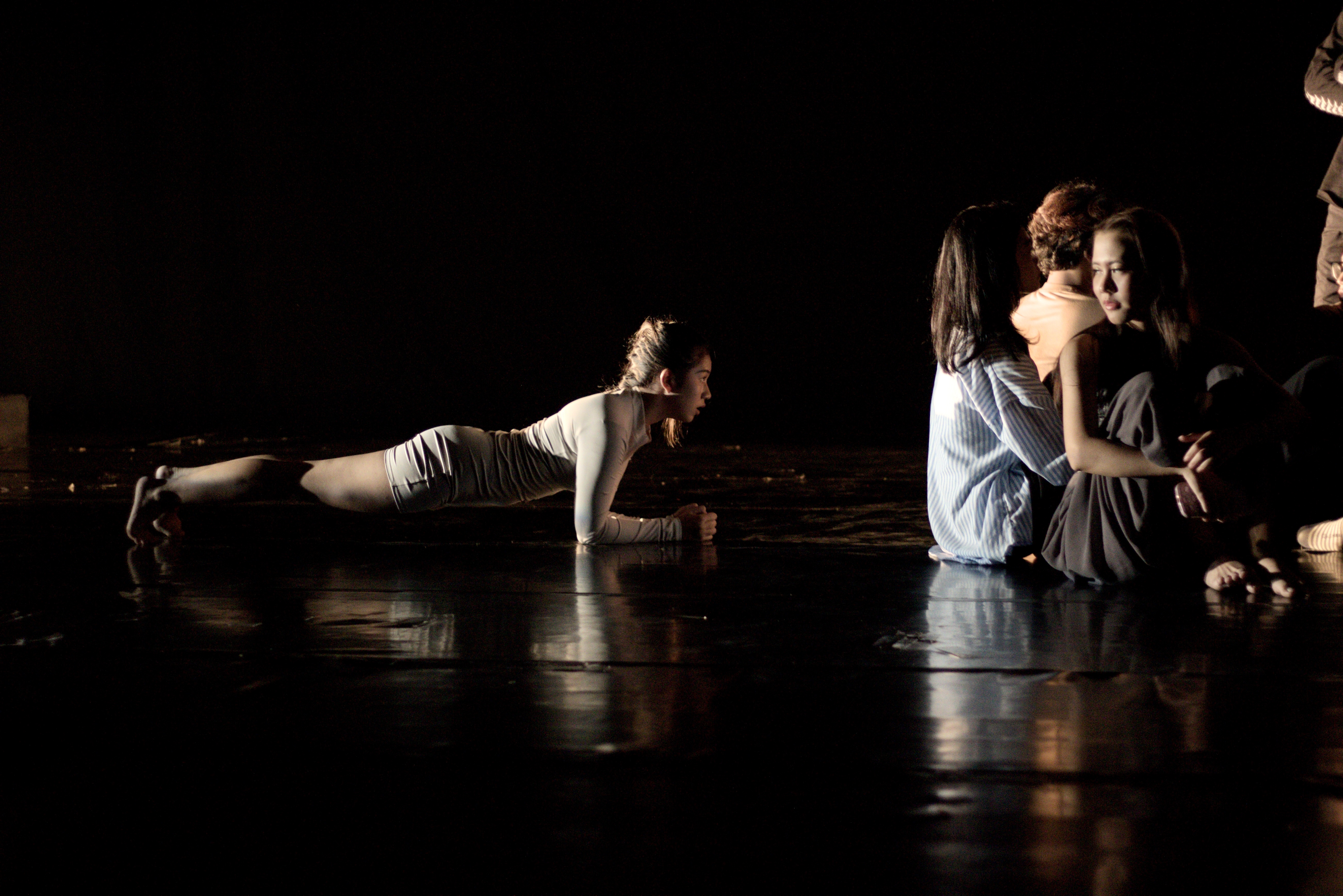
Cici Celine is an immersive technology-based performance project that reconsiders the meanings of performativity, immersive experience, and technological accessibility within the context of Southeast Asia. Unlike many immersive performances that rely on expensive equipment, specialized devices, and computational infrastructures that remain unevenly available across the region, this project develops a web-based interactive system that audiences can access directly through their own smartphones. The system employs MediaPipe, machine learning, regression models, and WebGL to capture and translate the performer's movements into real-time audiovisual experiences. In this framework, the smartphone functions not merely as a screen for viewing the performance, but also as a computational device, an interactive interface, and an active component of the performative experience. At the same time, the project responds to the growing culture of live-streamed performances in Indonesia by transforming what is typically a passive remote viewing experience into one that is interactive, personal, and distributed.

The character Cici Celine serves as the conceptual core of the project—a fictional persona constructed from popular stereotypes surrounding Chinese Indonesian women, particularly the figure of the "Cici PIK", an identity widely circulated and reproduced through social media. Through exaggerated costumes, gestures, visual language, facial expressions, and social media aesthetics, Cici Celine does more than simply embody this stereotype. Instead, the character interrogates how ethnicity, social class, femininity, lifestyle, and body image are constructed for digital consumption. Cici Celine exists somewhere between a human performer, an avatar, an influencer, and an algorithmic object, continually shaped by cameras, digital platforms, and user interactions. In doing so, the project uses digital performativity to reveal that the identity of the "Cici PIK" is neither fixed nor inherent, but rather a social construct that is continuously performed, reproduced, modified, and negotiated through technology and social media culture.

The musical dimension of Cici Celine also challenges the aesthetic conventions commonly associated with immersive technology-based artworks, which are often characterized by electroacoustic composition, glitch aesthetics, experimental sound, or forms of digital abstraction. Rather than adopting these conventions, the project embraces DJ remix music, drawing from Indonesia's popular culture, public entertainment, live-streaming practices, and social media environments. This approach creates an experience that is more accessible, communicative, and immediately recognizable to broader audiences without diminishing the technological sophistication underpinning the performance. The DJ remix soundtrack functions not merely as accompaniment but as an integral component in constructing Cici Celine's persona, shaping the performative atmosphere, and mediating interactions between the performer's movements, the audiovisual system, and the audience's mobile devices. By bringing together machine learning and WebGL technologies with the aesthetics of Indonesian popular music, the project seeks to expand the notion of immersive performance beyond exclusive artistic languages, demonstrating that immersive experiences can emerge from everyday digital culture and the lived realities of contemporary society.

Artist / Group Biography

Rifa Annida Avatar

Rifa Annida is a choreographer and professional dancer with over 8 years of experience in performing arts, contemporary dance, and traditional dance. She is committed to exploring cultural narratives through movement and the body, and is actively involved in teaching, choreography, and the development of dance as an art form.

Patrick Hartono Avatar

Patrick Hartono is a lecturer in Digital Media (Interaction) at RMIT University Vietnam, previously teaching Computational Arts at Goldsmiths, University of London. His practice explores electroacoustic music, generative visuals, NIME, and creative machine learning through computational and emerging technologies.

Friday, 31 July Selasar Raden Saleh

Interstice

Pungo Teater (Jakarta)

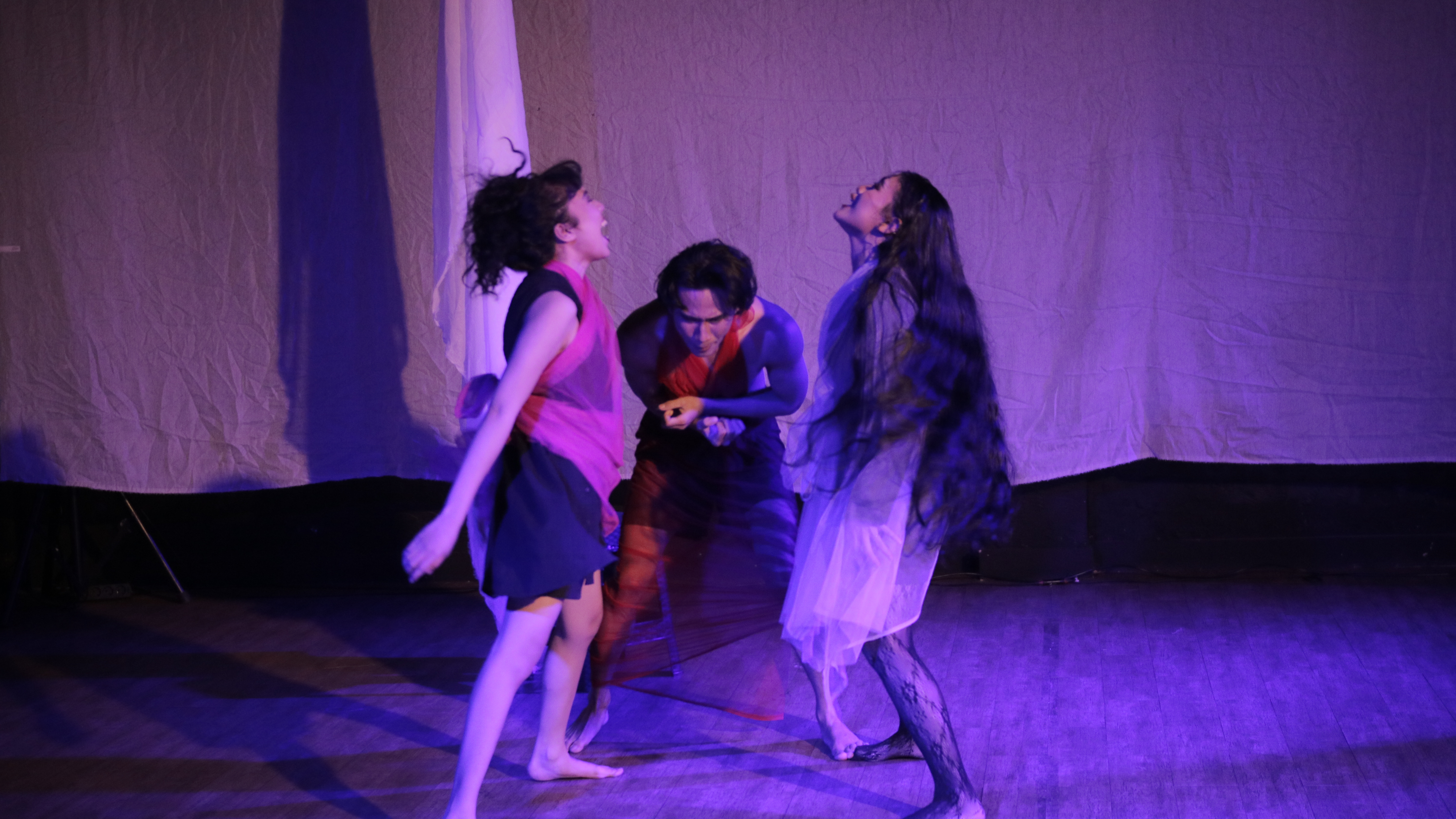
This work is based on the idea that the human body is not neutral, but shaped by social constructions formed from birth. The way people think, move, speak, and make decisions is influenced by values, norms, and habits from their social environment. This idea aligns with Peter L. Berger’s theory of social construction, which explains that social reality is created through externalization, objectivation, and internalization, until it becomes something that feels natural and unquestioned within individuals.

The performance focuses on a main performer who comes from a strongly structured social environment. This environment shapes how the performer sees the world and creates invisible limits that control the body. These limits are not physical, but appear as fear, hesitation, guilt, and resistance toward unfamiliar situations.

A box is used as the main visual element, symbolizing the social space that has formed the performer. Inside this confined space, the performer repeats limited and controlled movements. When the desire to move beyond this space appears, other performers enter as representations of social boundaries. They block, guide, pull, and push the main performer back into familiar patterns. Instead of being enemies, they represent internalized social values that continue to influence the performer’s actions.

Throughout the performance, the main performer’s body becomes a space of conflict between the desire for change and the strong influence of social construction. The challenges faced are not only external, but also come from within, as the body carries social memories through internalization. These boundaries reflect experiences shared by many people when entering new environments with different values from their place of origin.

Through movement and visual composition, this work shows how social construction works invisibly to shape behavior, decisions, and courage. Rather than viewing social construction as something negative, the performance encourages reflection on how identity is continuously shaped by society, while still allowing the possibility of change when encountering new social realities.

Artist / Group Biography

Pungo Teater is a theater arts community established in 2023, driven by the shared aspirations and concerns of individuals seeking a space to create and develop the performing arts in Indonesia.

Friday, 31 July Teater Tuti & Selasar Raden Saleh

The Swaying Birdcage

Minami Nakayashiki (Tokyo, Japan) & Darlane Litaay

The Swaying Birdcage was developed during an artist-in-residence program in Bandung, Indonesia. It is based on an earlier project, Interference Patterns of Birds and Humans (2025), which explores the body as something that responds to the environment and communicates with others without words through listening to birdsong.

In Bandung, I found a very different relationship between birds and people. Although I often heard beautiful birdsong while walking through the city, I realized that almost all of it came from birds kept in cages. The city was also filled with the sounds of cars, motorcycles, and the daily call to prayer. Discovering the culture of Kicau Mania, where people keep and celebrate songbirds, was another important experience.

While searching for nature, I found myself in a carefully designed university campus and began to feel like a bird inside a cage. By observing the relationship between birds and humans, I started to imagine the structure of urban life.

The performance also incorporates Indonesia's karaoke culture, exploring the cultural overlap between Japan and Indonesia through sound, movement, and the shared act of singing.

Artist / Group Biography

Minami Nakayashiki discovered dance in her first year of junior high school. Through the release of human emotions, sensations, and suppressed desires, she crafts choreography with delicate yet expressive movements. Her work embodies an introspective quality, examining the inescapable influences of society on the body.

Darlane Litaay Avatar

Darlane Litaay performs, lives, and absorbs the events of wherever their body is and moves. Born in Papua, Darlane has lived for extended periods in Yogyakarta and Brooklyn for study. Currently, Darlane is dedicating service at ISBI Tanah Papua.

Saturday, 1 August Tugu Kunstkring Palais

Hydraulic State

Pat Toh (Singapura)

In the modern landscape, water is rarely allowed to be wild. Water is dammed, piped, filtered, and commodified—forced into a state of predictable, sanitized utility. In Hydraulic State, this structural domestication serves as a direct mirror for the human body under capitalism. Just as civil engineering straight jackets the river, social institutions discipline, measure, and tame the flesh, demanding a sterile, hyper-efficient performance of daily life.

This performance transforms the gallery into a clinical hydraulic loop. Outfitted with high-sensitivity contact microphones and submerged hydrophones, the performer initially functions as a clock work mechanism, moving to a strict, institutional cadence. The room is silent save for the amplified, mechanical rhythm of a resting heartbeat and metered water drops. Through a trajectory of gradual rebellion, the performer breaks the geometric grid, utilizing their own wet anatomy to violently disrupt the space.

Hydraulic State is a visceral refusal to be contained. It forces a confrontation with the threshold where the tamed body finally breaks its banks, reclaiming its wild, leaky, and un-bordered power.

Artist / Group Biography

Pat Toh Avatar

Pat Toh is a cross-disciplinary artist whose practice centres the body as a site of inquiry into how we are shaped by the systems we inhabit. Drawing from the language of fitness, endurance, and physical training, she creates stripped-back performances that explore labour, exhaustion, adaptation, and survival.

Saturday, 1 August Tugu Kunstkring Palais

Impromptu — A(I) Conversation with the Building

925 POETICA (Bandung) & Try Anggara (Jakarta)

What if the building refused its own history?

But what is history, anyway? Impromptu invites the audience to experience Kunstkring through a performative architectural tour that gradually shifts into an unexpected conversation. What begins as a familiar lecture on the building's architecture and official history is suddenly interrupted.

The building speaks.

Through an AI-mediated voice informed by archival records and the contemporary life of Cikini, it questions the story being told. It remembers differently. It asks what has been forgotten, what has been preserved, and who gets to decide.

Impromptu stages a deliberate tension between expert and non-expert, archive and living archive, institutional narratives and the story the building refuses to accept. As the audience joins the conversation, the guided tour transforms into a negotiation between memory and history, human and non-human, certainty and uncertainty.

Is history something we inherit—or something we continually remake? Perhaps that is where a Living Museum begins.

Artist / Group Biography

925 Poetica (Dea Widya and Kelvin Djunaidi) are Indonesian artists whose practices explore technology, memory, performance, and cultural heritage. Widya, a spatial artist, reactivates space, archives, and oral traditions through installation and exhibition design, while Djunaidi, an intermedia artist and composer, uses sound, robotics, and AI to treat technology as an active creative participant.

Try Anggara comes from a family deeply involved in arts. Since 2011, he has been actively engaged in dance performance, collaborating with numerous choreographers both from Indonesia and abroad.

Saturday, 1 August Mess Puskomlekad

Improvisation, Jakarta, 260801

Renick Bell (Amerika)

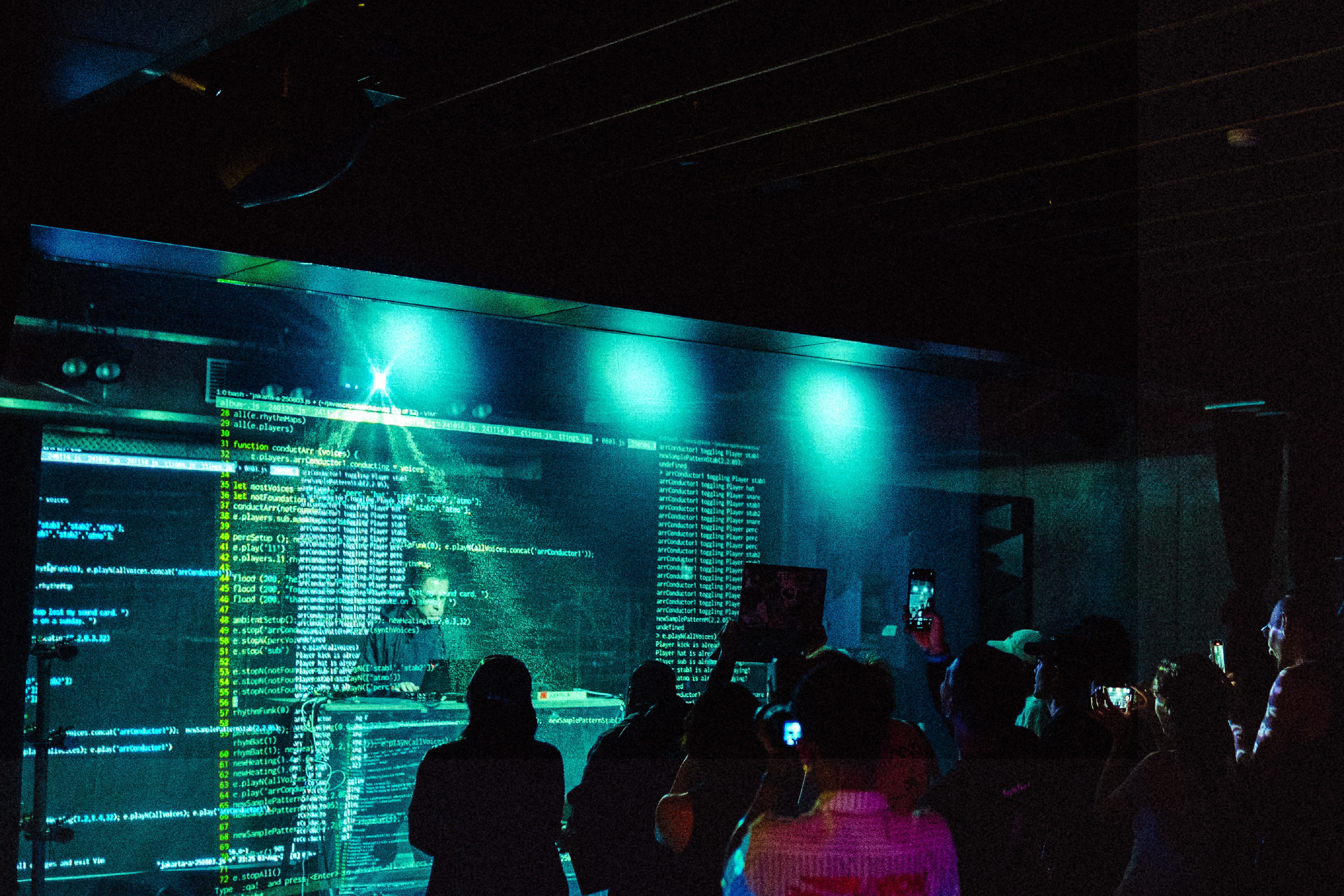
Konduktiva is a tool for making music by writing code, built in JavaScript. Rather than arranging sounds by hand in normal music software, the user writes small programs that describe patterns of notes and rhythms, and changes them while they are playing so the music evolves live. Its creator, the artist and programmer Renick Bell, builds up loops, layers them, and transforms them on the fly, while Konduktiva keeps precise musical time and sends the notes out to sound-making programs like SuperCollider or a DAW to actually produce the audio. He performs with it in real time at algorave and experimental electronic music shows, typing and editing code on stage so the audience watches the music being written and reshaped as it happens.

Artist / Group Biography

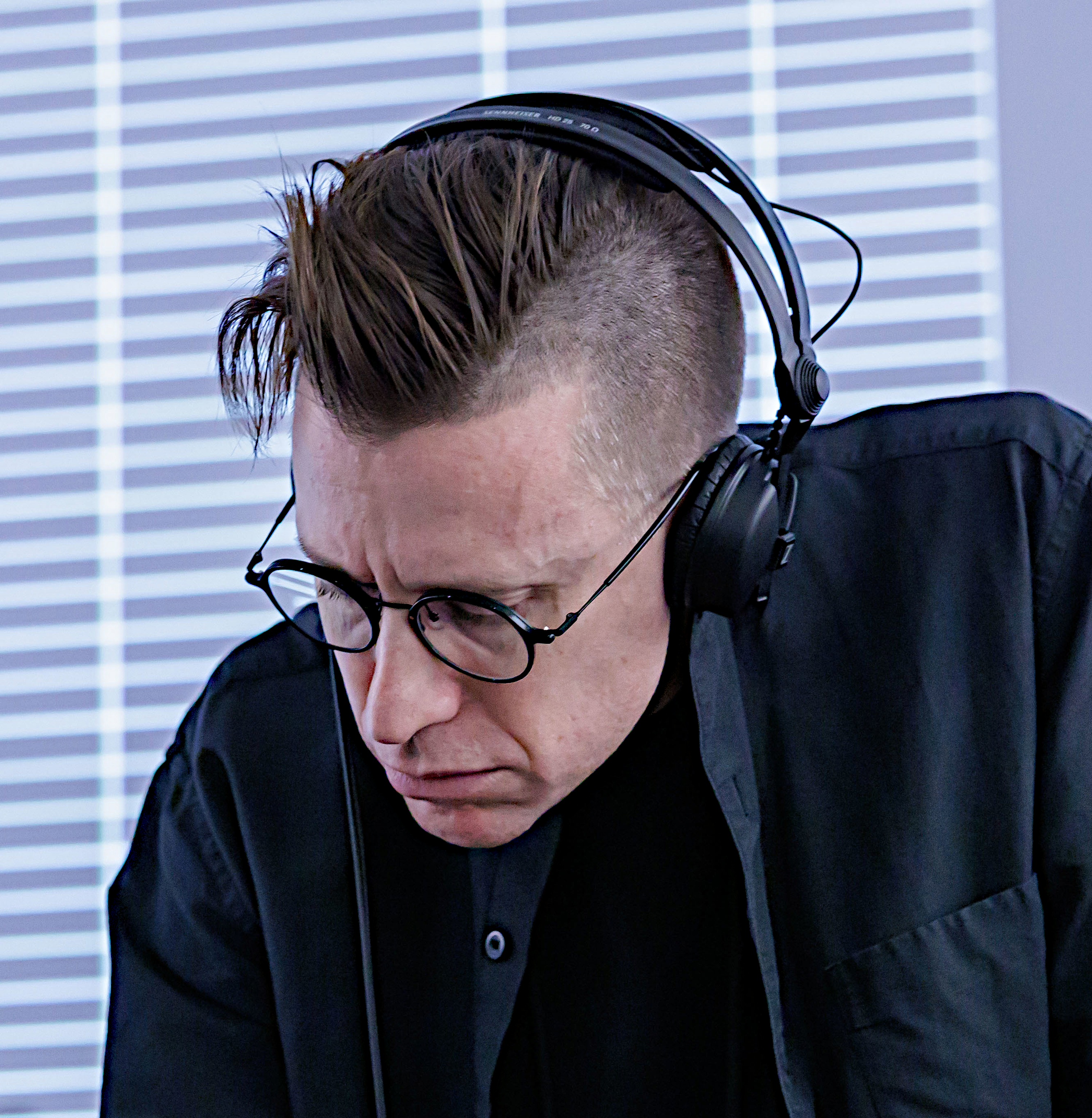
Dr. Renick Bell is a computer musician, programmer, and researcher based in Ho Chi Minh City, Vietnam. A pivotal figure in the global algorave movement, Bell improvises bass-heavy, generative electronic music by writing and modifying code in real-time before live audiences.

Saturday, 1 August Mess Puskomlekad

Tergusur di Bawah Panji Adil Makmur

Wayang Kampung Sebelah (Solo)

Wayang Kampung Sebelah is available for public performances and accepts invitations to perform at a wide range of events and occasions.

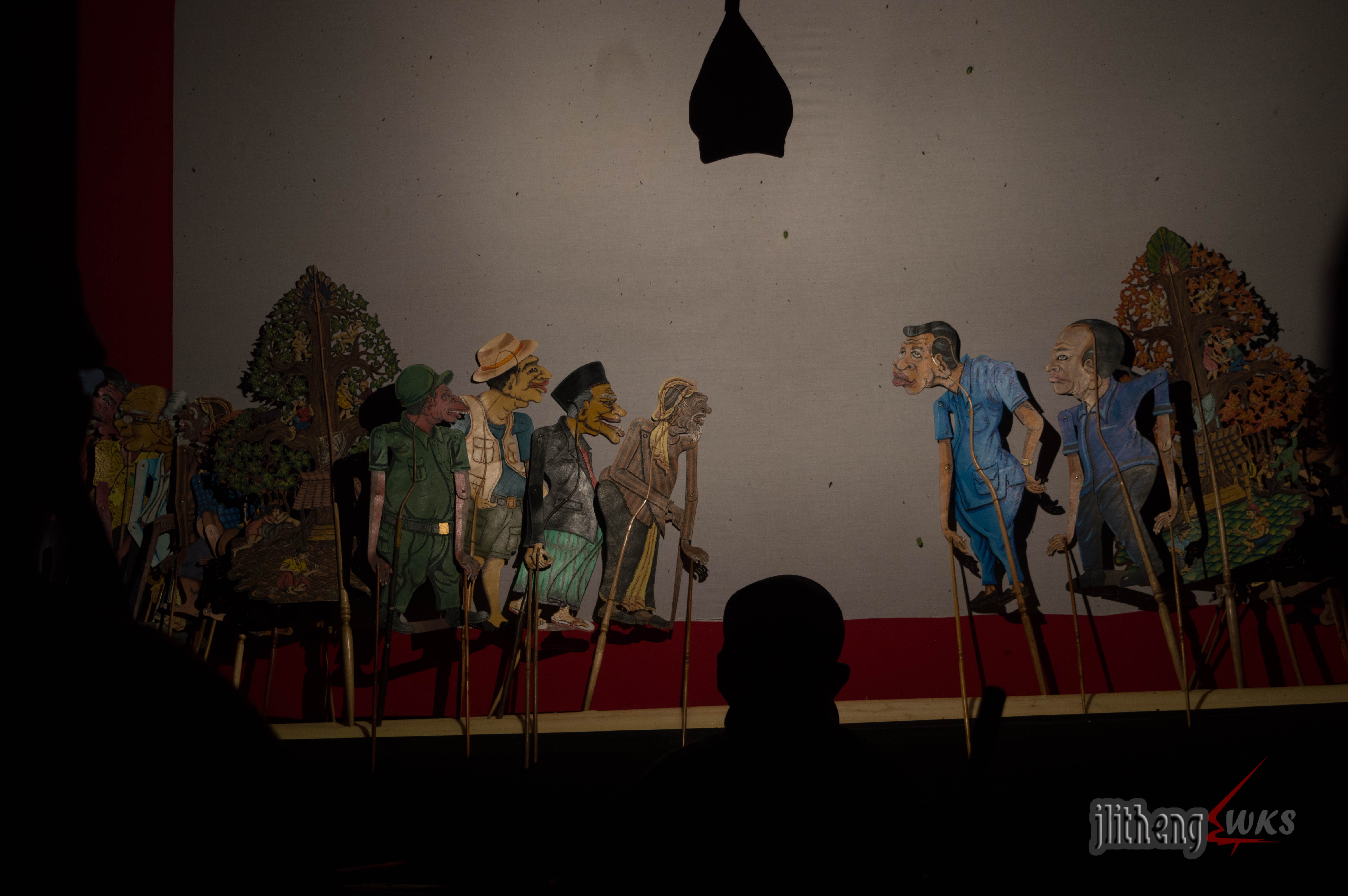
Wayang Kampung Sebelah is a collective work by a group of artists from Solo. It is a new genre of Wayang featuring stylized human-shaped puppets, portraying stories of contemporary life, accompanied by music in a combo band format.

Artist / Group Biography

Wayang Kampung Sebelah is a collective work by a group of artists from Solo, Indonesia. Founded as a contemporary take on traditional shadow puppetry, they present stories of everyday social realities and struggles with humor, sharp commentary, and live acoustic-combo music.

Sunday, 2 August Kawasan Cikini

Beautiful Chaos : Kata Warga

Kelompok Pojok (Jakarta)

Beautiful Chaos tells the stories of three performers—Dewi Sutjiati, Loudy, and Ary Satria—through their lived experiences of life in Jakarta.

Dewi is of Chinese Indonesian descent and grew up in Jelambar. Ary comes from Muara Baru in North Jakarta, while Loudy is originally from Makassar and recently relocated to South Tangerang, a city bordering Jakarta.

Intervention serves as the central concept of the performance. It suggests that the city and its inhabitants are constantly intervening in one another. These interventions unfold across social, historical, economic, and bodily dimensions, shaping both urban space and personal identity.

The performance explores how each of the three performers has experienced different forms of intervention: Dewi through the legacy of the 1998 riots, Ary through the forced eviction of his neighborhood, and Loudy through a childhood marked by constant relocation as the son of an honest police officer who was repeatedly reassigned. Together, their stories reveal how urban life is continuously shaped by forces that extend far beyond individual control.

Artist / Group Biography

Kelompok Pojok is an independent theater group based in Bulungan, South Jakarta, founded in 2010. It focuses on exploring the possibilities of theater and organizes festivals/parades for independent theater groups and students from outside the city.

Sunday, 2 August Kawasan Cikini

In Flux: No Land for Mothers

Opera Aperta (Ukraina) & Studio Klampisan (Banyuwangi)

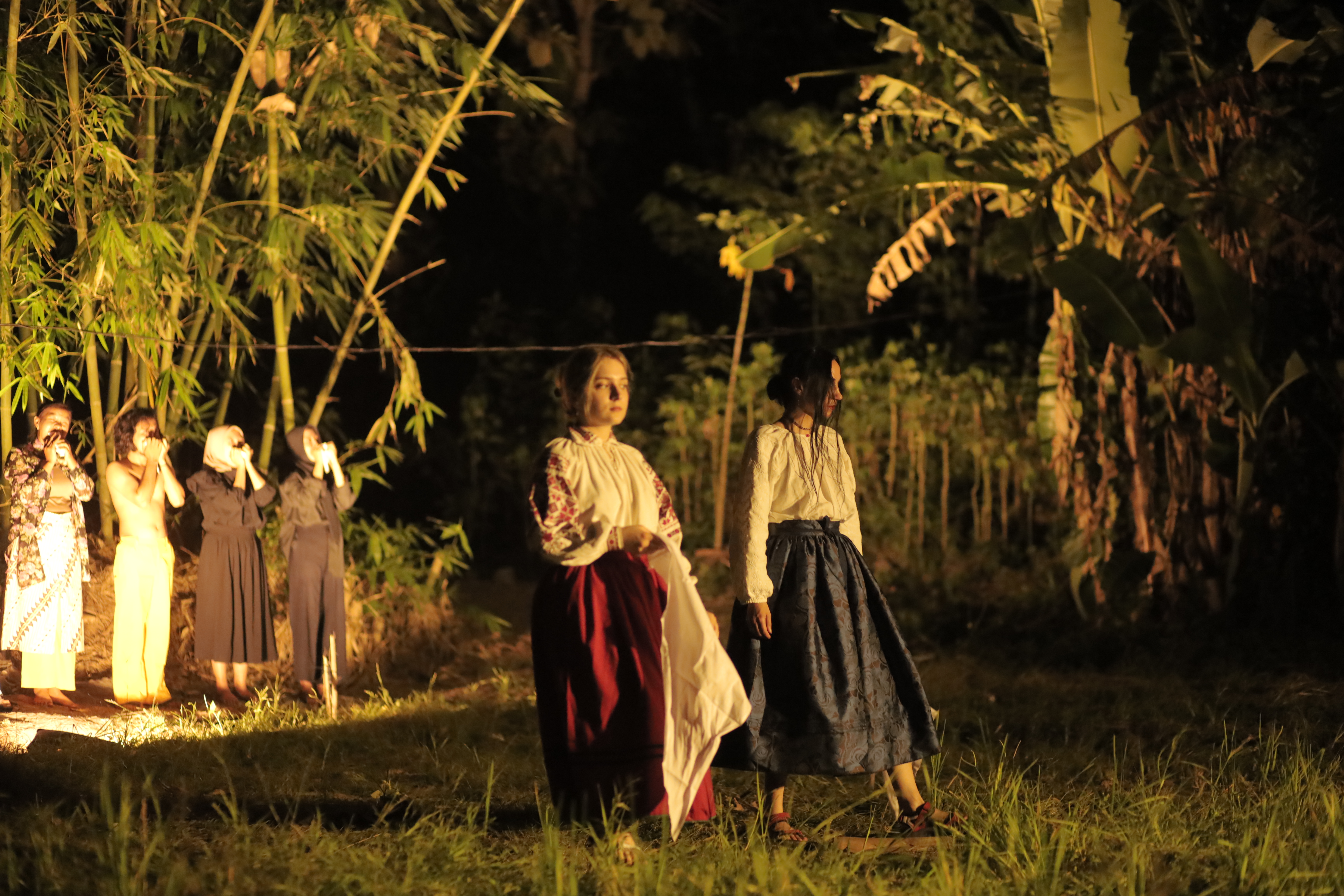
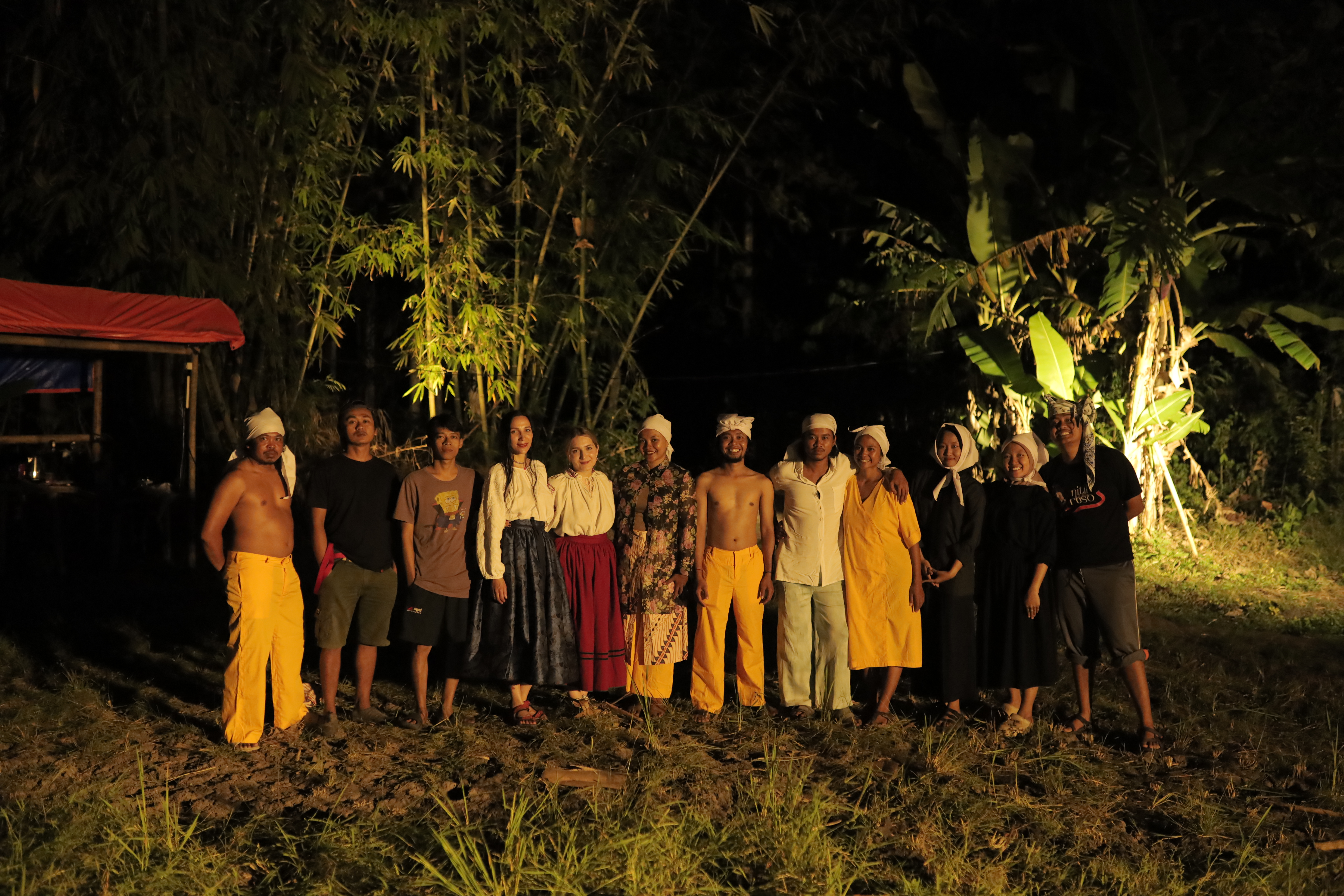
Inspired by the rituals of Seblang Bakungan, Vodinnia Kusta, and Rusalii, this performance reflects on what remains of the relationship between humans, the land, and their ancestors.

Drawing on a cross-cultural perspective, the work approaches nature as a shared space for reciprocal communication between human and more-than-human beings.

The performance also reconsiders the role of women within spiritual practices and in the context of today's environmental crisis.

Artist / Group Biography

Opera Aperta Portrait

Opera Aperta (Julia Mykolaichuk and Yuliia Vitraniuk) are Ukrainian traditional singers and performers who blend authentic vocal traditions with contemporary and experimental practices. Together, they bring rich backgrounds in traditional singing, research, and cross-genre collaboration into their artistic practice.

Studio Klampisan Portrait

Studio Klampisan is a cross-disciplinary art collaboration platform with the community. Based in Banyuwangi, Indonesia, they create spaces where artists and residents can gather to explore the body, memory, knowledge, and local history.

Ukrainian Institute is a state institution dedicated to spotlighting Ukrainian culture globally and nurturing profound cultural ties with other countries and peoples. Since 2018, the Institute has worked worldwide with the head office in Kyiv.

Sunday, 2 August Kawasan Cikini

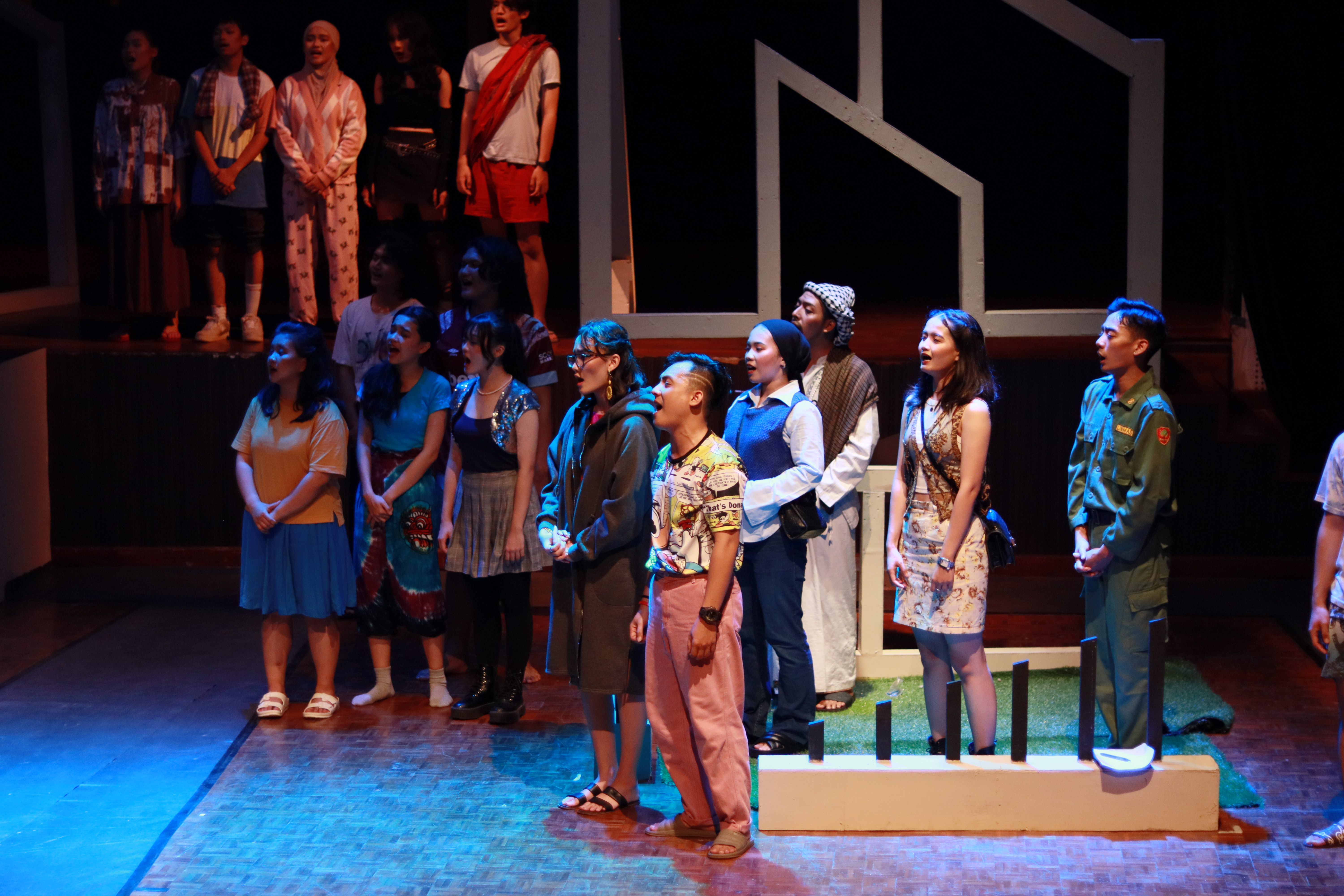
“Seuduk, Semati”

Prodi Teater IKJ dan FM Project

This performance is rooted in the idea that a city cannot be understood solely through its grand history, monuments, or the dominant narratives that define its image—its skyscrapers, traffic congestion, floods, or relentless urban rhythm. Rather, the city's most honest memories are preserved in everyday practices that continue to be performed and unconsciously passed from one generation to the next. From this perspective, nasi uduk—commonly recognized as both a culinary staple and a symbol of everyday resilience—becomes a medium through which Jakarta can be read and understood.

Through a simple packet of nasi uduk, this work explores how space, mobility, culture, encounters, and diversity continually negotiate one another in the lives of Jakarta's residents. Every dish, recipe, ingredient, and eating habit is understood as a trace of lived social experience that contributes to shaping the city's identity. What is presented on stage is therefore not nasi uduk itself, but Jakarta as seen, remembered, and discussed through nasi uduk. Ultimately, nasi uduk becomes our way of seeing Jakarta, for within it are countless stories of habits, memories, and shared experiences among people who often live side by side without truly knowing one another.

The work draws inspiration from the spirit of lenong, Jakarta's traditional popular theatre—not simply as a theatrical form, but as a way of storytelling that is flexible, humorous, and intimately connected with its audience. Borrowing from lenong, the performance embraces spontaneity and improvisation, allowing conversations to wander freely while remaining meaningful. This sense of closeness becomes the foundation for creating theatrical events that dissolve the boundary between performers and spectators. Rather than attempting to represent Jakarta, the performance invites audiences to participate directly—responding to performers, contributing to conversations, and allowing unexpected moments to become part of the performance itself. In this spirit of uduk, theatre is understood not as a rigid performance space, but as a shared social space where performers and audiences negotiate, interact, and celebrate togetherness.

The performance space is designed to resemble a communal kitchen or the familiar nasi uduk stalls commonly found on the streets of Jakarta. Audiences are seated around a shared space, close enough to smell the food being prepared, hear the sound of sizzling pans, and meet the gaze of those seated across from them. They are not merely spectators watching a performance, but participants inhabiting a shared environment that encourages conversation, intimacy, and a collective experience of the city and its everyday life.

Artist / Group Biography

Fakultas Seni Pertunjukan IKJ (eRTe IKJ)'s Theater Arts Study Program trains actors, directors, and creative professionals for stage and digital media, blending traditional and Western theater with acting and directing skills. It also prepares students for careers in content creation, broadcasting, and digital marketing.

FM Project was founded by Fachrizal Mochsen, a permanent lecturer at the Theater Arts Study Program, Faculty of Performing Arts, Jakarta Institute of the Arts. In 2020, he founded the Serambi Inklusi community, a training center for people with disabilities.

Sunday, 2 August Pulau Tenggelam to Teater Wahyu Sihombing TIM

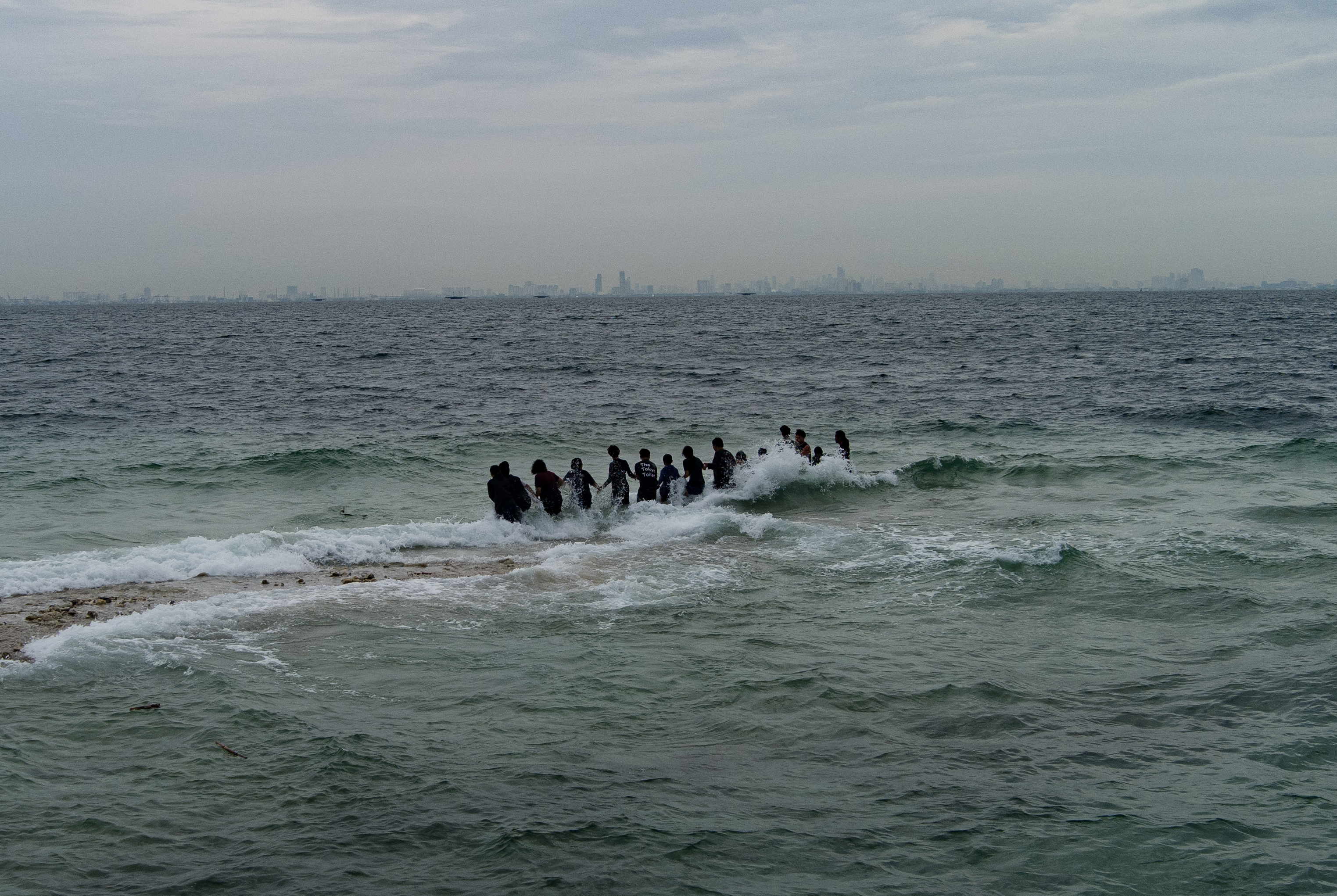
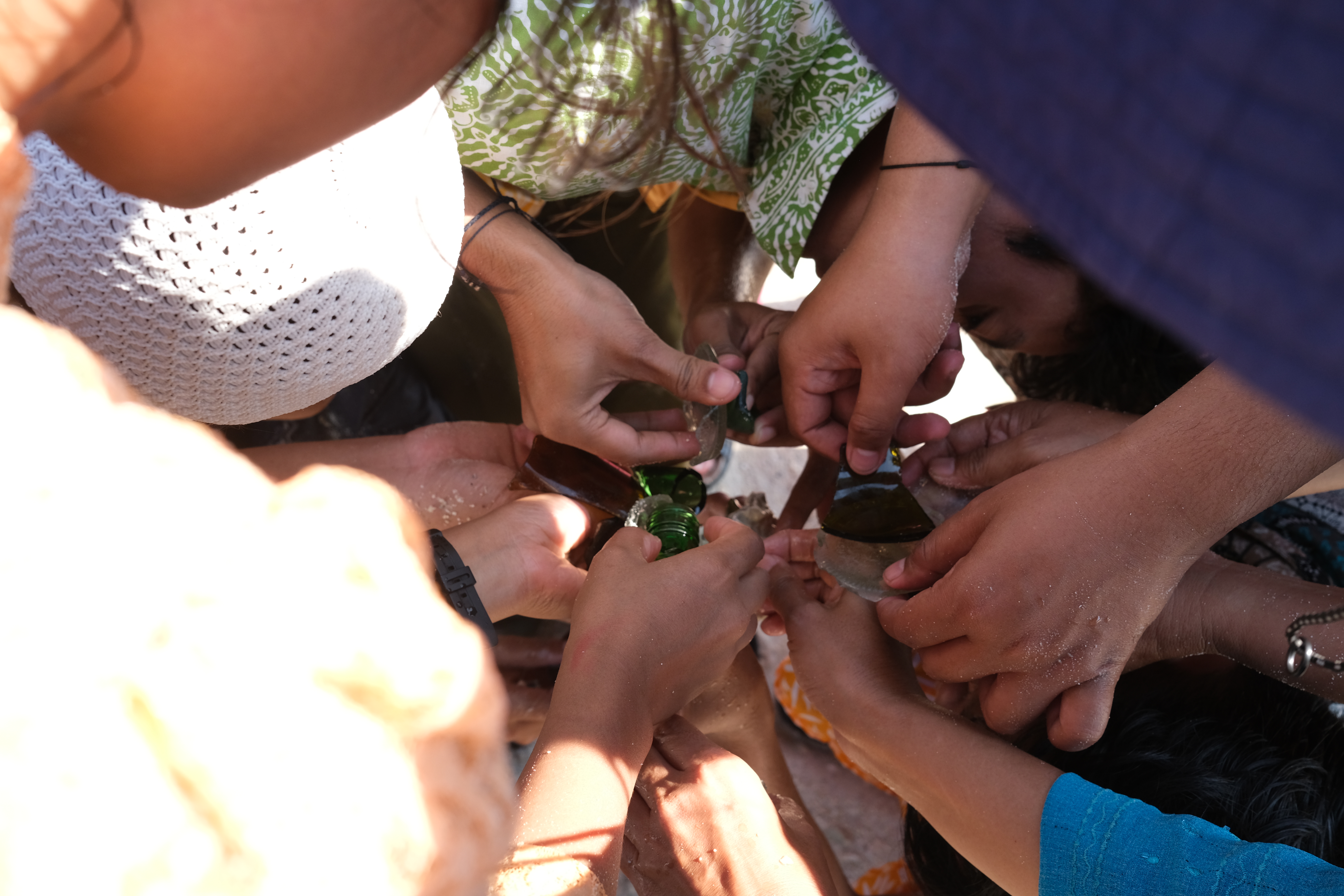
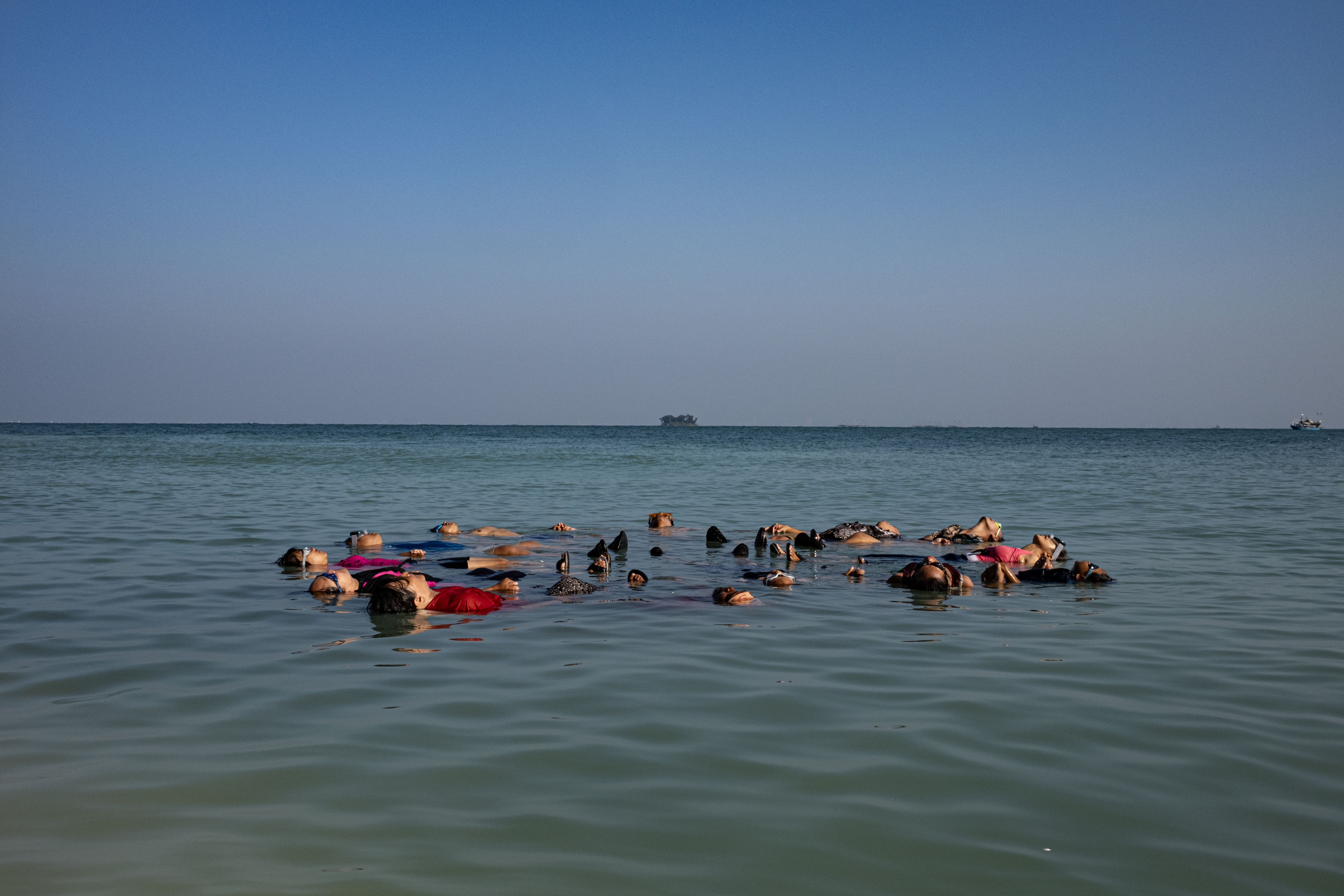
Serpihan Tubuh Pulau Tenggelam

Irwan Ahmett, Tita Salina and INTERTIDAL - Jakarta

After Embracing the Island comes to an end, the memories carried by the body do not simply dissolve. They scatter into fragments that continue to drift. Some are carried away by the eastern wind, settling into mud or caught within the folds of clothing. Some travel with sweat as bodies embrace the trunks of dead trees. Others merge with newly reclaimed land whose boundaries are redrawn in the name of infrastructure.

What if the island's body has never truly finished its journey? Though it has disappeared from sight, its fragments continue to travel elsewhere. They move from water to mud, from mud to roots, from roots to passing bodies, until they quietly slip into dreams.

Flowing along the coast from sunrise to sunset, these estranged bodies no longer recognize the language of their own senses. They place their trust instead in the old waterways—dense, murky, and stripped of their dignity. They embrace, endure, plead, or remain silent like stone, while their shadows cross paths with other fragments that continue to divide Jakarta.

The soles of the feet, the corneas of the eyes, the pores of the skin, heavy breaths, and sweat mixed with the dust of reclaimed land all become traces of the island. They pass through the remains of demolished settlements, silted canals, invasive suckermouth catfish, and rivers burdened with waste, before arriving at places of refuge that have repeatedly altered the course of history.

Artist / Group Biography

Intertidal (Irwan Ahmett and Tita Salina) is an artist duo from Jakarta who use art to trace the relationship between humans, power, nature, and history. Their practice grows through collaboration with activists, scientists, fishermen, and coastal communities, with research, travel, and direct field engagement as inseparable parts of their process.